Preparing for a studio photoshoot usually requires careful planning and attention to detail.
To ensure a successful and enjoyable experience, follow these essential steps:
1 to 4 weeks before the photoshoot:
Determine Your Photoshoot Objective
Before diving into the preparations, it’s crucial to establish the purpose of your photoshoot. Are you aiming for a professional headshot, a fashion shoot, or a personal portrait session? Clarifying your objective will help you make informed decisions throughout the preparation process.
Communicate your vision or concept and have a pre-consultation
A pre-consultation with the photographer before the photoshoot is useful because you can settle lots of questions and details that will make the session go smoothly. Ideally, the discussions with the photographer could take place face to face but if this is not easy to do videocalls are a good alternative. (Some of the best results I had were when I met with the models before the photoshoot and discussed face to face.)
- Photos references: If needed get some inspiration on poses, make-up,hair style and attitude to aim for. Practice poses and attitude in a mirror and check what feels natural to your body. Send reference photos to the photographer, makeup artist or hair stylist before photoshoot to get an idea on the look you want. (reference photos can be found on pinterest or ask a photographer)
- Prepare multiple outfits for photoshoot so you have options to choose from and try to dress for your body type. Guide example here to dress for your body type . It would be useful to discuss the available outfits with the photographer or consult with a personal stylist.
- Prepare a music playlist or a few favorite songs for photoshoot day (if music helps you to relax).
- Discuss the availability & location with the photographer. ( try to keep in mind the availability of other people who might be involved in the photoshoot like Make-up artist, Hair stylist, Studio location availability. I suggest choosing a location that is not too far from you.)
Face, Hair, Body & Skincare
- Exfoliate skin a few times a week (2 to 3 times during a week). Exfoliation benefits: radiant/ glowing complexion, it evens skin tone, smoother skin.
- Moisturize your skin to look nourished and fresh.
- Light facial notes: If you decide to go with a facial try to test this a few weeks before the photoshoot so you don’t have any adverse reactions.
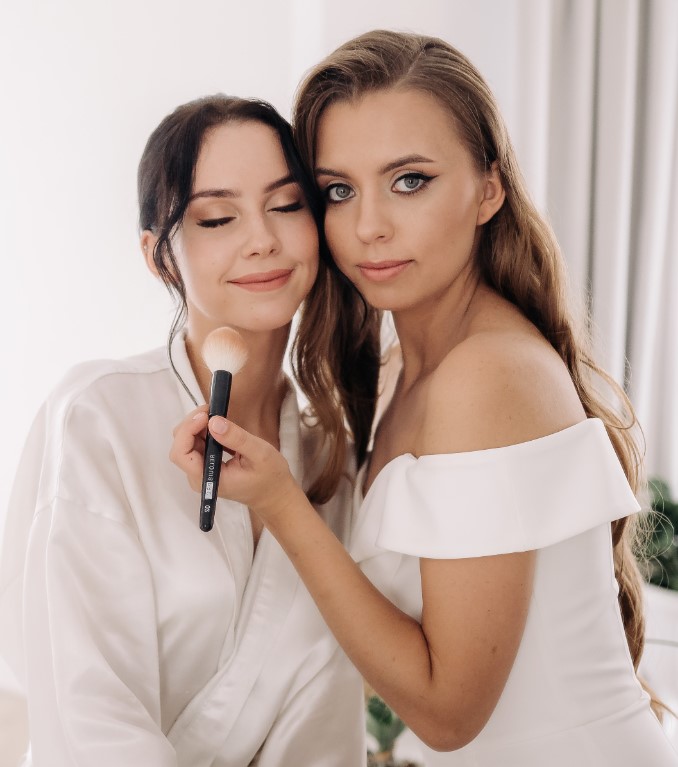
If needed book time with a professional makeup artist. I suggest to check the portfolio of the makeup artist before booking the session.
It’s always good to listen what a professional MUA is doing and learn tips. You can ask or learn what shades and colours suits you the best.
Tips: If you want to stop the makeup from melting make sure to use good skin care products, primer and a powder.
We suggest using a sweat-proof foundation such as a paint stick from Kryolan which is used a lot in theatre or TV. As performers move a lot, make-up doesn’t melt as they sweat. Also, if you set your make-up with a powder it will give it a bigger barrier from melting.
Whiten teeth if needed.
If you are about to wax your body try to do it about 1 week before the shoot to allow any redness or swelling to subside.
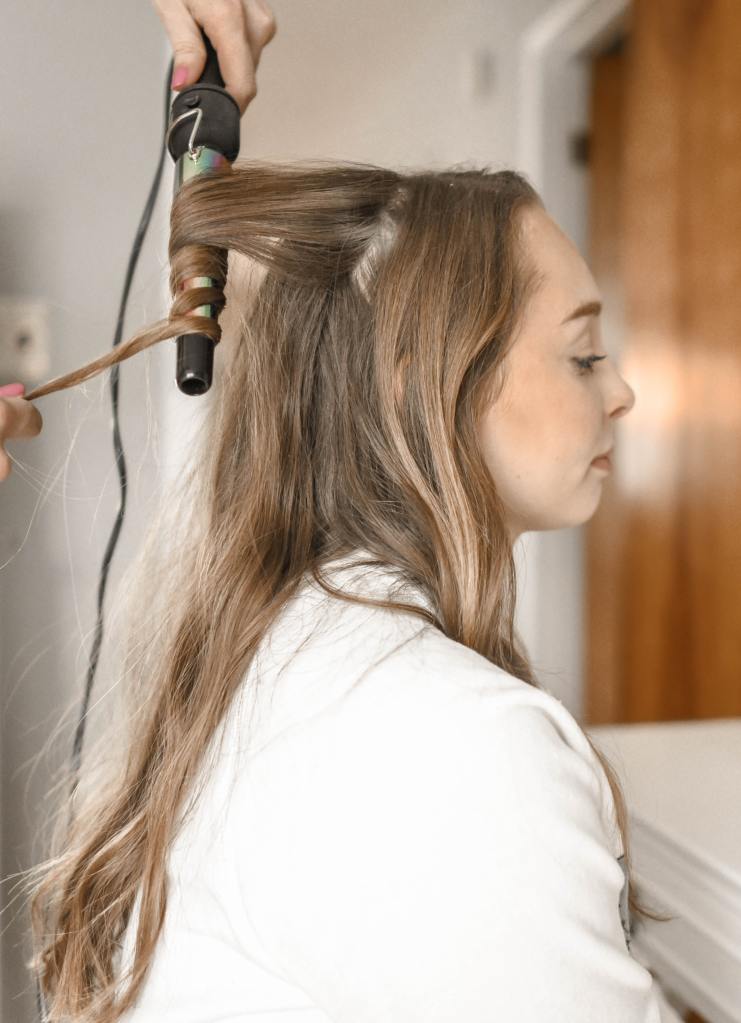
Hair:
- Book an appointment with a good hairdresser / hair stylist. If you dye your hair, check that color is good and roots are not showing.
Other: If you have time, pay attention also to the nails, brows and lashes. Small things can make a difference. There are many salons in London that can help with this.
Body and skin:
- Eat clean foods if you don’t already do this. A body detox can take multiple days. Avoid processed foods.
- Drink enough water. Water can help reduce the appearance of dark under-eye circles and puffiness on the face. Without proper hydration, skin is duller, and more wrinkles and pores are visible. In the UK, the Eatwell Guide from NHS suggests you should try to get 6-8 glasses of water and other liquids each day to replace normal water loss – around 1.2 to 1.5 litres. At the same time don’t drink too much to fast. The kidneys of a healthy adult can flush out about 1 litre per hour so don’t drink more than 1 litre per hour.
- Try to do some physical exercises and plenty of sleep to get in a good shape if you don’t already do this. (go to a gym, dance class, spinning class or have some home workouts). It doesn’t need to be extreme and you can take a break after the photoshoot. It can also boost your self-confidence. A healthy, fit body looks amazing on camera. Sleep is important to avoid bags under the eyes.
Accessories and props (optional)
If you want to use props to create personalized shots for your portraits, make sure to assemble them a few days before the shoot.
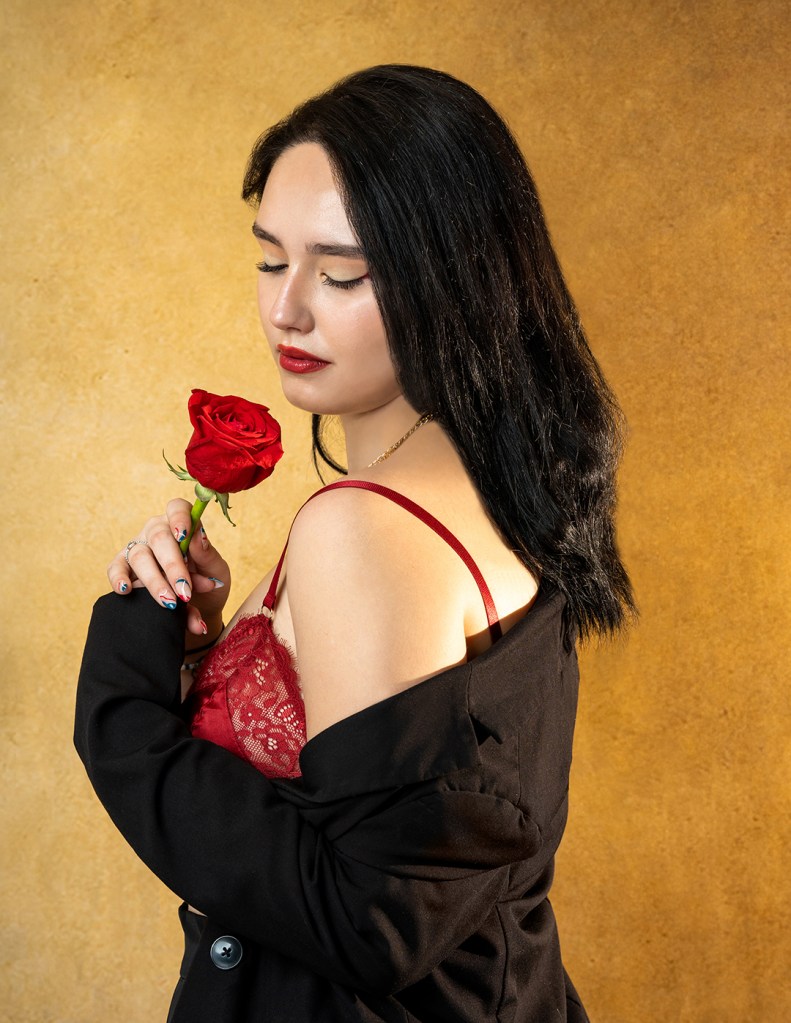
Examples of items you can bring: flowers, statement necklaces, earrings, vintage hats, watches, journals, holding a film/digital camera, paintbrush and canvas or various instruments. The outfit could match the style and colours. Sharing below some photos I made in the past with different props:

Posing
Practice posing if you have time in front of a mirror or with a friend and see what feels comfortable for your body and outfit. You can find inspiration from sources like Pinterest.com or youtube.com
Familiarize yourself with poses that flatter you. Find your signature poses. Practicing can help you feel relaxed and confident.
Shoes
If you want full body shots don’t forget to bring shoes in a good condition.
For women that want an elegant style in photos I recommend high heels. Your legs look amazing in them and your body posture feels sexier. Heels can make women feel taller and slimmer and increase the self-confidence and self-esteem. Not sure what brands to choose? Jimmy Choo and Christian Louboutin are perhaps two of the most famous shoe brands in the world.
Feel free to bring different types of shoes with matching outfits for a mix of photos to choose from.
The day before the photoshoot
- Spend a day doing what makes you look the best and rest.
- Quality sleep is a must. It can help you feel more focused / alert on the photoshoot day and it can reduce any dark circles around the eyes.
- If you don’t have very oily hair, wash the hair 1 day before the photoshoot. Second-day hair is more manageable
- Avoid drinking alcohol. It can make the face puffy.
- Prepare the wardrobe, with shoes and accessories. All need to be clean and ironed
- Remove any items that could leave an impression on the skin like: watches, rings, or other jewelry.
- Confirm the photoshoot location if you are not sure.
On the photoshoot day
- Stay hydrated.
- Eat light to avoid getting bloated & do activities that make you feel good and relaxed: listen to empowering/uplifting songs, watch an episode of your favourite tv series, do some yoga or meditaion.
- If you have a shower before the photoshoot ensure your shower is not too hot, because hot water can dry out your skin – and this is the last thing you want the day of your photo shoot!
- Try a sheet mask in the morning of your shoot. Why? This can help your skin to be bright and it revive your skin and prepare it for photo shoot makeup. To smooth lines, restore lost volume & boost skin elasticity, search for firming masks that contain collagen and peptides. Tackling acne and inflammation? Choose purifying masks that refine pores with exfoliating AHAs. Parched skin does well with masks that have hyaluronic. Leave the sheet mask on for 10-15 minutes for optimal skin glow.
- If possible have the make-up or skincare routine ready before the photoshoot will start. (if you are not ready for the photoshoot timeslot discussed the photographer will need to be informed.)
Optional steps:
Use a mirror
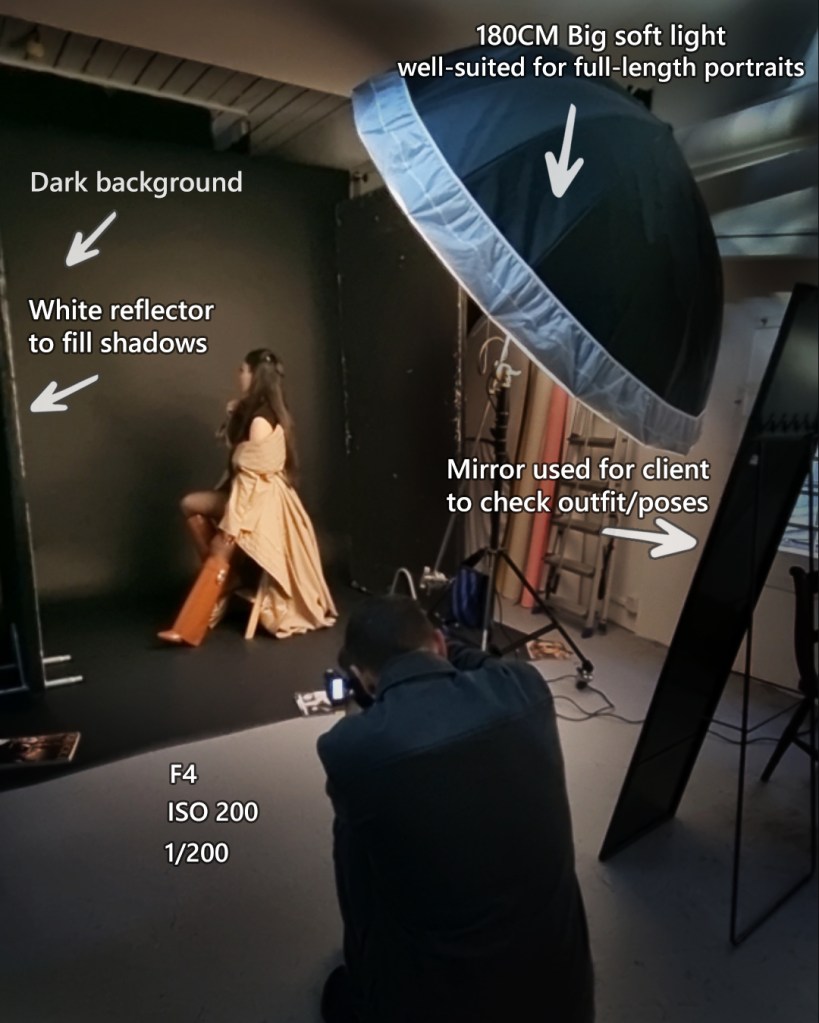
Ask for a mirror for checking the hair , outfit , poses and facial expressions. If a mirror is not available on location try to bring a mirror with you.
Feel free to invite a hair stylist or makeup artist to stay during the photoshoot if you want to try different hairstyles or makeup styles or for adjustments.
Women model kit for photoshoots
It’s not mandatory to bring all the items in the list below but there might come a time when you will use some of the items.
- Wardrobe / Clothes
- Shoes
- Accessories and props (sunglasses, hats, jewelry, etc.)
- Towel
- undergarments suited for each outfit (skin-tone, black, white)
- Complete make-up kit
- Mirror
- Tweezers
- Hairbrush/comb
- Hairstyling products (spray, gel, smoothing serum)
- Hair ties, headbands
- Tampons
- Small first-aid kit
- Sunscreen
- Lotion
- tissues, cotton balls
- bottled water
- Snack (for long shoots)
- Phone
FAQs Frequently asked questions
1. How far in advance should I start preparing for a studio photoshoot?
It’s recommended to start preparing for a studio photoshoot at least one to three weeks in advance (the more the better). This will allow you enough time to plan your wardrobe, make any necessary alterations, book hair and makeup appointments, practice posing and expressions, skin care routines or get fit from gym/home workouts.
2. What should I wear for a studio photoshoot?
When selecting outfits for a studio photoshoot, opt for clothing that represents your personal style and complements the desired aesthetic. Choose colors and styles that flatter your complexion and body shape. Avoid busy patterns or logos that can be distracting. Coordinating outfits with others, if applicable, can create a cohesive look.
3. Do I need professional hair and makeup for a studio photoshoot?
While professional hair and makeup are not mandatory, they can significantly enhance your overall look and boost your confidence. Hiring a hair and makeup artist who specializes in photography ensures your features are highlighted appropriately for the camera. If you choose to do your own hair and makeup, practice beforehand and use products that are camera-friendly.
4. How can I feel more comfortable posing in front of the camera?
Posing can feel awkward at first, but practice makes perfect. Spend time in front of a mirror or take test shots to discover your best angles and expressions. Relax, be yourself, and let your personality shine through. Trust your photographer’s guidance, as they have experience in capturing flattering poses and expressions.
5. Can I bring props or accessories to a studio photoshoot?
Bringing props or accessories to a studio photoshoot can add a personal touch and enhance the visual appeal of your photos. Discuss with your photographer beforehand to ensure they align with the desired theme and won’t interfere with the studio’s equipment or space.
6. How long does a studio photoshoot typically last?
The duration of a studio photoshoot can vary depending on several factors, such as the number of outfits or setups, the complexity of the desired shots, and the photographer’s working style. On average, a studio photoshoot can last anywhere from one to three hours. Plan accordingly and allocate sufficient time to achieve the desired results.
 Drago - UK London Photographer